Explore Topics

0%
Why Should You Start Using Framer?
Nov 21, 2025
Introduction
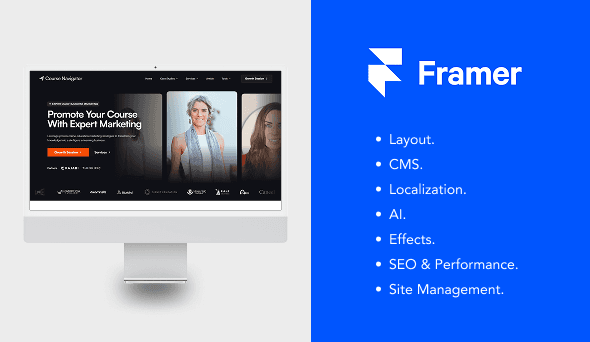
In the world of web design and development, staying ahead means embracing tools that offer flexibility, efficiency, and seamless collaboration. Framer is one such tool that has transformed how designers create and ship digital experiences. It goes beyond static design, allowing creators to build interactive, production-ready experiences with speed and precision. If you’re still on the fence about adopting Framer, here are some compelling reasons why you should start today.
Why Choose Framer for Your Design Needs?
Framer is built for modern designers who want more than just visuals. It empowers you to design, prototype, and publish experiences that feel real and functional.
Enhanced Prototyping Capabilities
Framer stands out for its advanced prototyping capabilities. Unlike traditional design tools, it allows you to create high-fidelity prototypes that closely mimic the final product. You can design interactions, animations, and transitions that bring your ideas to life. With Framer, prototypes don’t just look real—they feel real.
Framer enables seamless interaction design without requiring complex coding. You can easily create dynamic components that respond to user input, delivering engaging and immersive user experiences.
Real-time collaboration further enhances productivity. Multiple team members can work on the same project simultaneously, reducing delays, improving feedback loops, and streamlining the entire design process.
Intuitive Design Interface
Framer offers an intuitive and beginner-friendly interface without sacrificing power. Its visual editor and flexible layout system make it easy to move from idea to execution.
The platform includes customizable component libraries that help designers save time while maintaining consistency across projects. These reusable components allow you to focus more on strategy and creativity rather than repetitive design tasks.
Responsive design is another key advantage. Framer automatically adapts layouts across different screen sizes, ensuring your designs look great on desktops, tablets, and mobile devices—an essential requirement in today’s multi-device environment.
Integration with Development Tools
One of Framer’s biggest strengths is how smoothly it bridges the gap between design and development. It allows designers and developers to work closer than ever before.
Framer supports React-based code components, making it ideal for teams building modern web applications. Designers can integrate real code directly into their designs, ensuring accuracy and consistency throughout the development lifecycle.
Once your design is finalized, Framer enables you to publish or export clean, production-ready output. This reduces handoff friction, speeds up development, and minimizes the risk of misinterpretation.
Signs You Should Start Using Framer
If your current design workflow feels limiting, Framer may be the solution you need. It’s especially useful if your existing tool lacks advanced prototyping features or interactive capabilities.
Teams struggling with collaboration will benefit from Framer’s real-time editing and shared workspace. It’s also an excellent choice if you’re looking for a more unified design-to-development workflow that reduces dependency on multiple tools.
How to Get Started with Framer
Getting started with Framer is straightforward. Begin by exploring Framer’s tutorials and learning resources to understand its core features and capabilities.
Start small by building a simple project. Experimenting with layouts, interactions, and components will help you quickly grasp how Framer fits into your workflow.
Joining the Framer community can also be incredibly valuable. Designers from around the world share insights, inspiration, and practical solutions that can accelerate your learning curve.
Real-World Use Cases of Framer
Framer is widely used to create realistic product demos that showcase both functionality and design with clarity.
Many designers also use Framer to build interactive web pages with smooth transitions and dynamic content, resulting in engaging and memorable user experiences.
Conclusion
Framer is a powerful, future-ready tool that enables designers to go beyond static screens and create meaningful digital experiences. From advanced prototyping and real-time collaboration to seamless design-to-development workflows, Framer offers the flexibility and performance modern teams need. If you want to elevate your design process and build experiences that truly stand out, now is the time to start using Framer.